A recent BBC News story highlighted a powerful example of how gene therapy is reshaping medicine, featuring a young patient whose sight was restored through a life-changing treatment. While many gene therapies are introduced and act directly within the body using vector delivery systems, the story also reflects a broader trend in advanced therapeutics: the growing need for robust tools to understand, monitor, and assess patient responses throughout development and treatment.
This breakthrough captured global attention, highlighting the importance of human-derived biological samples in drug discovery and translational research. Among these, peripheral blood mononuclear cells (PBMCs) have emerged as a powerful cellular tool, enabling researchers to better understand disease mechanisms, evaluate immune responses, and accelerate therapeutic development.
PBMCs and translational immunology research
Peripheral blood mononuclear cells (PBMCs) play a central role in translational and clinical research because they provide a readily accessible window into the human immune system. Comprising lymphocytes (T cells, B cells, NK cells) and monocytes, PBMCs are widely used to evaluate immune status, monitor treatment responses, and generate clinically relevant biomarkers.
PBMCs support a wide range of research applications, including:
- Immune monitoring in clinical trials
- Assessment of treatment-related immune activation and safety
- Biomarker discovery and translational assay development
- Human-relevant in vitro models for studying immune function and therapeutic responses
- Consistent across studies
- High viability for downstream applications
- Fit-for-purpose for translational research
In some cell therapy workflows, PBMC-derived immune cells may also be isolated and engineered for downstream clinical applications, including studies involving CAR-T and other modified immune cell approaches.
In translational immunology research, the quality of your starting cells can shape the quality of your downstream insights.
PBMCs beyond research: understanding immune function over time
One of the greatest strengths of PBMCs is their ability to provide longitudinal insight into immune health and therapeutic response. In gene therapy, cell therapy, and broader clinical research, PBMCs are routinely used to assess baseline immune competence, monitor patient responses over time, evaluate safety through detection of immune activation or adverse effects, and identify biomarkers that support clinical decision-making.
Because of this, PBMCs serve as an important bridge between discovery research and clinical application, helping researchers better understand how therapies interact with the human immune system in real-world settings.
Why quality PBMCs matter
As advanced therapies become increasingly sophisticated, the quality of starting material becomes increasingly critical. Variability in donor material, processing delays, or poor isolation can all directly impact cell viability, immune readouts, and the reproducibility of results. For clinical and translational studies, consistency in PBMC processing is essential to generating reliable immune monitoring data and meaningful downstream analyses.
As a result, robust, standardised blood processing is no longer just a support function, it has become a critical control point in successful translational research and clinical development.
Bridging the gap: from blood to breakthrough
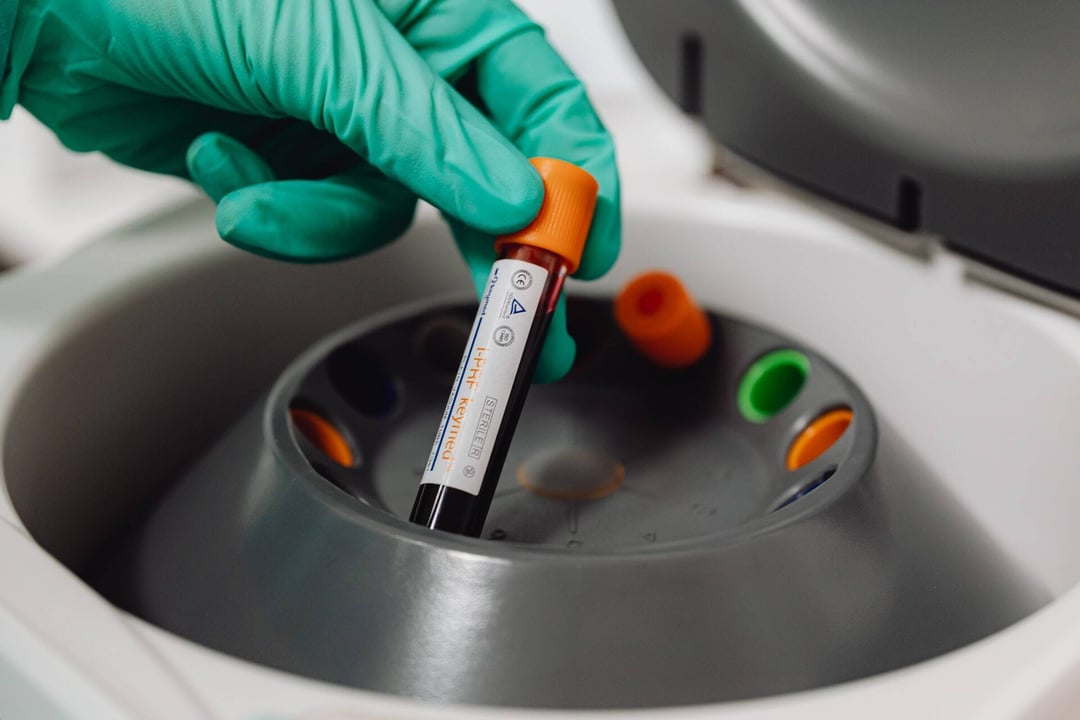
At REPROCELL, our blood processing services are designed to support translational research workflows, from biomarker discovery to immune monitoring and drug screening. From rapid PBMC isolation to cryopreservation, we help ensure that your valuable samples are:
Through our clinical laboratory services, we support researchers and partners with high-quality PBMC processing and immune monitoring capabilities designed to generate robust, clinically relevant data across every stage of development.
While the headlines often focus on advances in gene and cell editing technologies, meaningful insights still depend on the quality and consistency of the starting material.
Final thought
Gene therapy is redefining what’s possible in medicine. At the same time, advances in translational research continue to rely on high-quality biological samples and reliable immune monitoring strategies to better understand treatment response, safety, and patient outcomes.
By supporting the generation of consistent, high-quality PBMC samples, clinical laboratory services play an important role in helping bridge early discovery research with real-world clinical insight.