Case Studies
Reduce risk. Improve confidence. Advance your drug programme with human-relevant data.
Drug development is filled with uncertainty. Promising therapies can fail because traditional preclinical models don't always predict how patients will respond. At REPROCELL, we help pharmaceutical and biotechnology teams generate translational human data earlier in development, enabling better decisions before critical clinical and regulatory milestones.
The case studies below show how organisations have used our human tissue and translational research capabilities to de-risk development programmes, investigate safety concerns, demonstrate target engagement, support regulatory submissions, and move promising therapies closer to patients.
If you don't see an example that matches your therapeutic area, contact our team to discuss similar studies and available human tissue models.
Achieve regulatory approval
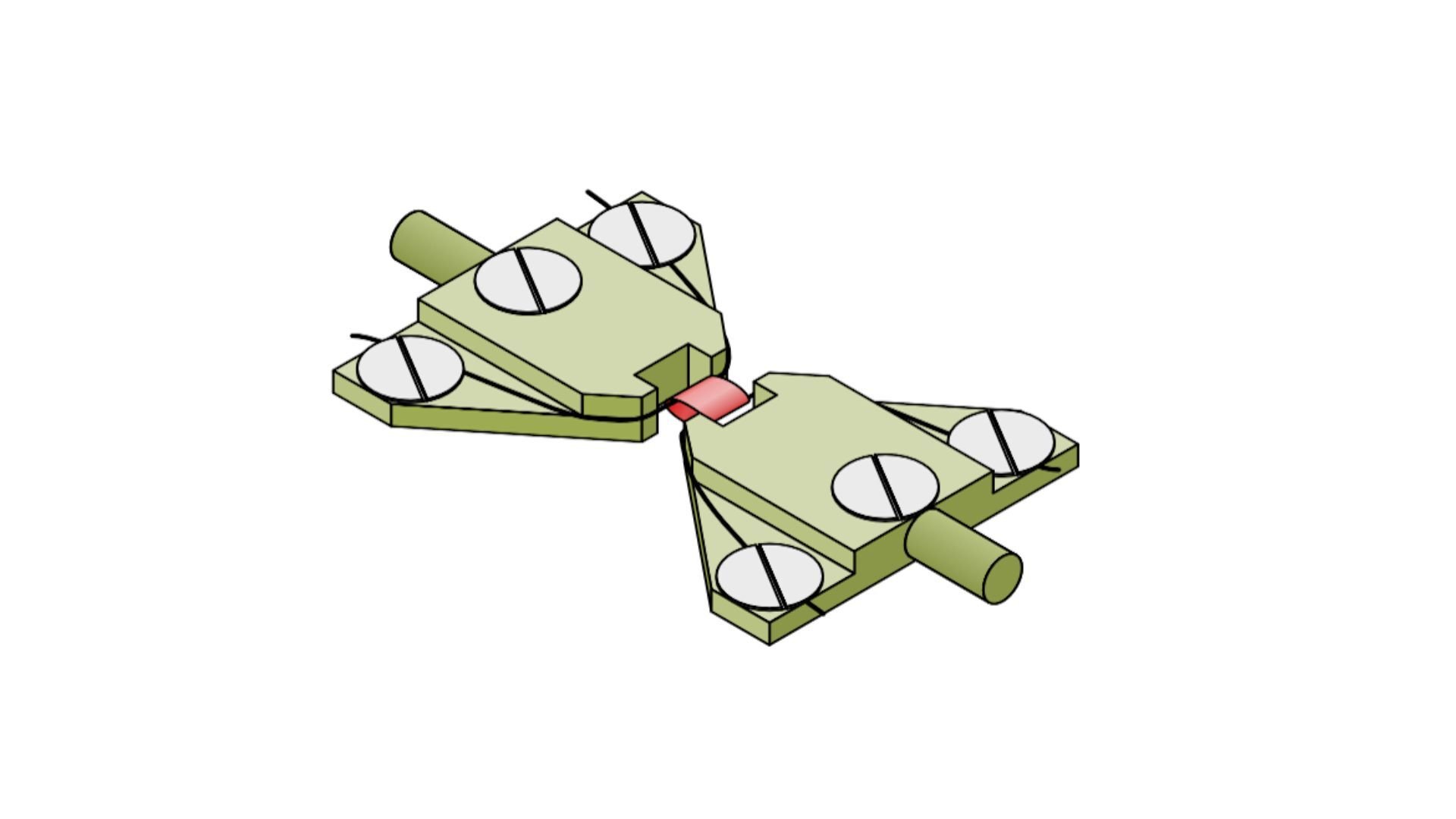
When IPM approached the regulators for approval of their HIV prevention ring, they requested additional data on uterine contractility. Find out how our studies in fresh human uterine tissue helped IPM gain approval.
Avoid species differences
Read our case study on Amgen's publication, which highlights the useful comparisons that can be made between matched tissues from preclinical species and humans.
Eliminate clinical adverse effects
Adverse effects may go undetected during preclinical safety assessments and only become apparent during clinical trials. In most cases, such adverse effects in humans were not observed in animal models.
Validate therapeutic potential
Prove human efficacy
De-risk cardiovascular safety
Identify clinical safety signals
Confirm human target engagement
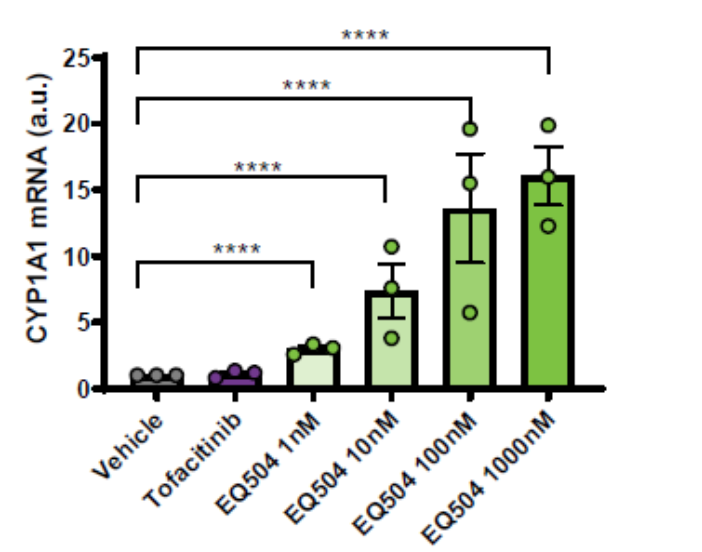
Using human-derived intestinal tissues, REPROCELL demonstrated robust target engagement of an AhR modulator, providing translational evidence of pathway activation and supporting progression into clinical development.
Strengthen target engagement
De-risk clinical progression
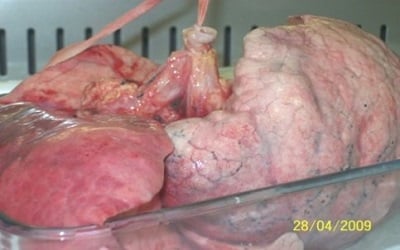
REPROCELL helped an anonymised pharmaceutical company de-risk a novel respiratory therapy by generating clinically relevant data from human lung tissue models.