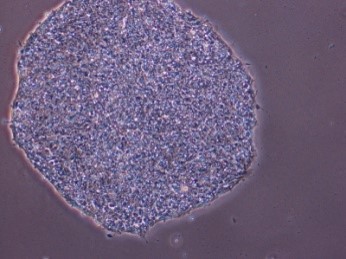
Colonies of human iPS cells
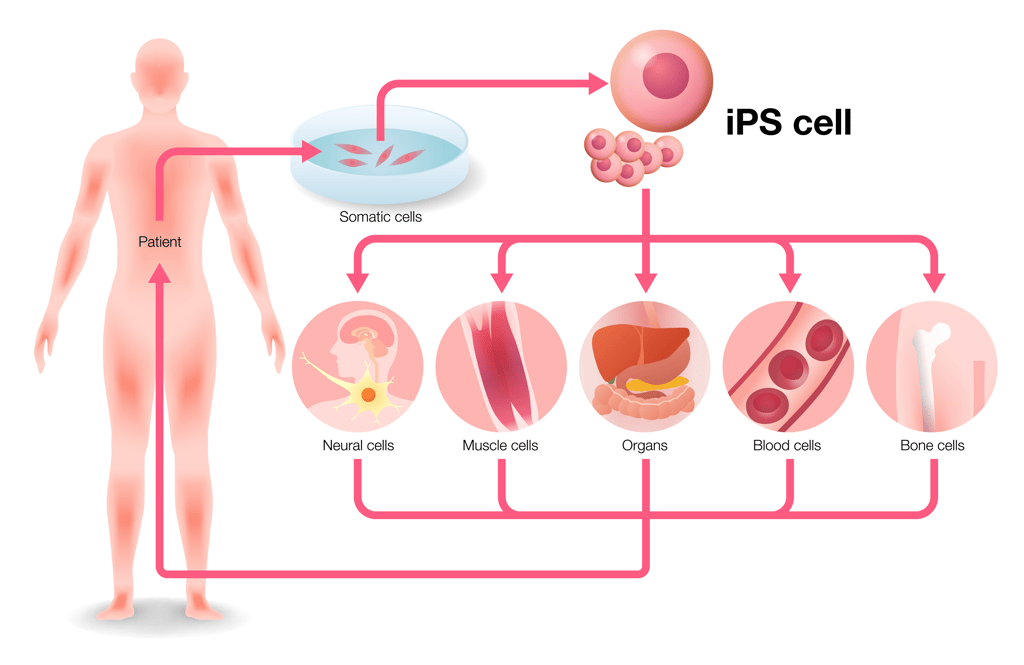
The use of iPS cells in regenerative medicine
Research Reagents

Support for the research and development of pluripotent cells through the manufacture and sale of reagents
We manufacture and sell research reagents used in research, mainly for iPS cells. Culture media, exfoliation solution, cryopreservation solution, coating agent, antibody, etc., each with different products depending on the type of cell, culture method, measurement method, etc. We also sell a variety of markers that identify human iPS cells.
Target customers: Public research institutions such as universities, private research institutions such as pharmaceutical companies
Drug Discovery Applications

Efficient testing of drug efficacy and toxicity during the development of new drugs
REPROCELL manufactures and sells neurons, cardiomyocytes, hepatocytes, and Alzheimer's disease model cells produced from iPS cells for drug discovery screening. There is also hope that pharmaceutical companies will be able to efficiently evaluate the efficacy and toxicity of candidate compounds when developing new drugs, and that animal testing can be significantly reduced.
Target customers: Public research institutions such as universities, private research institutions such as pharmaceutical companies
Precision Medicine

Realizing medical care tailored to each patient
Research is underway to use iPS cells produced from skin and blood to diagnose the patient's condition and determine the suitability of drugs. If iPS cell technology can generate disease model cells, it is expected that it will be possible to select the optimal drug and prescription amount for each patient.
Target customers: patients, hospitals, etc.
Regenerative Medicine

Donor-independent for the next generation of regenerative medicine
The supply of human cells used for transplantation in regenerative medicine has been dependent on donors, and the shortage has been an issue. As a solution, research and development is currently underway to produce various cells such as nerve cells, cardiomyocytes, and liver cells from iPS cells and transplant them to patients. Expectations are high for the realization of donor-independent regenerative medicine.
Target customers: patients, hospitals, etc.
Spanning fundamental research, innovative drug discovery, and the advancing field of regenerative medicine, REPROCELL is expanding its business domain in line with the rapidly growing commercial applications of iPS cell technology.