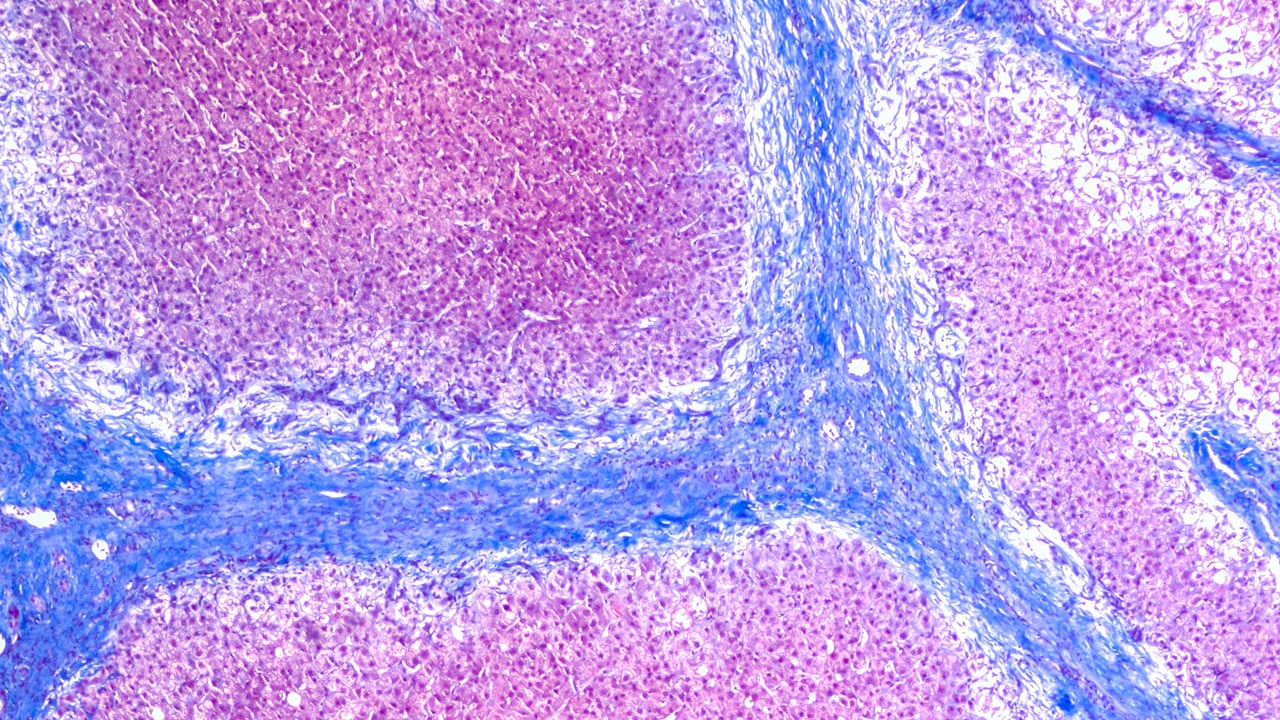
Fibrosis, characterised by the excessive accumulation of extracellular matrix (ECM) and scar tissue in organs, underlies many chronic, progressive diseases such as pulmonary fibrosis, liver cirrhosis, scleroderma, and intestinal strictures. Despite this broad clinical burden, effective therapies that reliably halt or reverse fibrosis remain incompletely understood. One major reason: preclinical models often fail to recapitulate the pathophysiology of human-specific fibrosis, limiting translational success.
Ex vivo human tissue models, using fresh or cryopreserved human biopsies, bridge the gap between simplistic in vitro assays and animal-based in vivo models. Because ex vivo tissue is native human tissue, these models provide a biologically relevant microenvironment for screening anti-fibrotic compounds, offering drug developers a more predictive platform for clinical translation.
Why Conventional Models Fall Short
While widely used, animal fibrosis models (e.g., in rodents) often fail to capture key human-specific immune responses and extracellular matrix (ECM) features.1 In contrast, it is typically simplistic in vitro cultures, not animal models, that lack the native cell–matrix interactions seen in human tissue. Inter-species differences can therefore limit predictivity. 2D cell culture methods such as cell-line based assays lack the native tissue architecture, multicellular composition (fibroblasts, epithelial cells, immune cells, etc.), and ECM environment, which are all critical components in fibrosis pathology.2 Although organoids or bioengineered 3D in vitro models begin to address the limitation of traditional 2D culture systems, they often lack the patient-specific ECM, native tissue architecture, or the full complement of cell types found in human organs (immune cells, vascular cells, etc.). This can limit their ability to mimic chronic remodelling and turnover of stomal matrix, over time.
In short, many conventional models struggle to recreate the complexity, chronicity, and heterogeneity of human fibrosis.
Advantages of Ex Vivo Human Fibrotic Models
Human ex vivo tissue models overcome many of the limitations of traditional preclinical approaches by preserving native tissue architecture and microenvironment. Human tissue slices maintain the original extracellular matrix, natural spatial organization, and essential cell–cell and cell–matrix interactions between epithelial cells, fibroblasts or myofibroblasts, immune cells, and other resident cell types, offering a biologically faithful setting for fibrosis research. Because donor tissues can be obtained from healthy, inflamed, or already fibrotic sources, these models enable researchers to study fibrosis at multiple stages, from early induction and active remodeling to advanced disease, providing flexibility that is difficult to achieve with other systems. As tissue explants are collected from the specific organ of interest, these models avoid the inter-species extrapolation challenges associated with animal studies. Reviews of precision-cut tissue slices (PCTS) consistently highlight the value of both healthy and fibrotic human slices for evaluating new therapeutic candidates. This allows for more accurate assessment of ECM deposition, inflammatory activity, tissue remodeling, and functional responses, ultimately strengthening confidence in translational relevance.3, 4
Modeling Fibrosis Progression Ex Vivo — What’s Feasible
Below are typical readouts and approaches used in ex vivo fibrosis models.
Tissue Architecture & ECM Remodeling
- Collagen deposition and ECM accumulation: Through immunohistochemistry, staining (e.g., collagen I/III), or biochemical assays. For example, ex vivo human lung tissue treated with pro-fibrotic stimuli shows increased collagen I/III deposition and myofibroblast presence.5
- Myofibroblast activation: Markers such as α-SMA (smooth muscle actin) or other myofibroblast-specific proteins are upregulated during fibrotic transformation.6
- Tissue stiffness changes: In some models, fibrotic induction correlates with increased stiffness — a functional hallmark of fibrosis that can be quantified (e.g., by rheology or atomic force microscopy). Indeed, cryopreserved human lung slices (hPCLS) have been shown to increase in stiffness after fibrosis induction.7
Inflammatory Signals and Cell–Cell Crosstalk
- Cytokine and growth factor signaling: Fibrosis involves profibrotic mediators such as Transforming growth factor beta 1 (TGF-β1. These mediators can be exogenously applied to ex vivo tissue to simulate active fibrogenesis within the laboratory. Indeed, human lung slices exposed to TGF-β1 upregulate pro-fibrotic genes and show ECM deposition.8
- Immune–stromal interactions: Some advanced models incorporate immune cells (or rely on resident tissue immune cells) to recapitulate immune-mediated fibrosis; for instance, co-culture of lung slices with macrophages induced collagen deposition and M2-macrophage–driven fibrogenesis.9
Functional & Molecular Readouts
- Gene expression and protein biomarkers: Upregulation of fibrosis-related genes (e.g., COL1A1, fibronectin, matrix metalloproteinases, HSP47) and increased protein deposition have been demonstrated in ex vivo liver slices and lung slices.10
- Histology / immunohistochemistry: To visualize ECM deposition, tissue architecture changes, and cell-type–specific responses.11
- Functional assays (e.g., contraction, stiffness): To assess mechanical changes associated with fibrosis, which may impact organ function (e.g., lung compliance, skin elasticity, etc.). Several studies show that ex vivo slices can be used to monitor stiffness changes post-fibrotic induction.12
Diverse Tissue Types — Versatility Across Organs13, 14
- Lung (Pulmonary Fibrosis): Ex vivo human precision-cut lung slices (hPCLS) from both fibrotic and non-fibrotic donors have been used to model fibrosis by inducing pro-fibrotic pathways (e.g., via TGF-β1 or fibrotic “cocktails”).
- Liver (Hepatic Fibrosis): Human precision-cut liver slices have demonstrated ECM deposition and upregulation of fibrotic biomarkers; in such models, several putative anti-fibrotic compounds (e.g., pirfenidone, sunitinib, valproic acid) have shown efficacy in reducing pro-collagen expression.15
- Skin (Dermal Fibrosis / Scleroderma): Ex vivo human skin explants have been used to model fibrosis: for example, treatment with certain insulin-like growth factor binding proteins induced dermal thickening and increased collagen bundle density over two weeks.
- Other tissues (e.g., intestine, kidney, etc.): While less frequent, precision-cut slices from diverse organs have been described in literature as potential platforms for fibrogenesis and drug screening.
Opportunities for Anti-Fibrotic Drug Screening
Given these advantages, ex vivo human tissue models offer a powerful and versatile platform for anti-fibrotic drug discovery and development. Because experiments are performed directly on human, patient-derived tissue, the resulting data are far more translationally relevant than those generated in animal models or simplified in vitro systems. Drug candidates can be assessed in a true human ECM environment, enabling detailed dose–response evaluation of their ability to reduce extracellular matrix deposition, inhibit myofibroblast activation, modulate inflammatory pathways, or even reverse early fibrotic changes. These models also provide a more accurate picture of tissue-specific toxicity and potential off-target effects, as the presence of multiple native cell types, such as parenchymal cells, fibroblasts, and resident immune cells, creates a physiologically meaningful test bed not replicated in 2D culture. Moreover, access to different human tissues, including skin, lung, intestine, and liver, allows organisations like REPROCELL to support anti-fibrotic research across multiple organ systems. The use of donor-derived tissue further opens the door to personalised medicine by enabling researchers to compare responses across patients with different disease severities, genetic backgrounds, or comorbidities.16, 17
Challenges and Considerations
While ex vivo human tissue models hold great promise, they are not without limitations that must be carefully considered. A key constraint is tissue viability: many human tissue slices remain healthy only for a relatively short period (often around 5–7 days under standard culture conditions), which restricts their use for long-term studies of chronic fibrosis. Because the tissue is isolated from the body, essential systemic components, such as blood flow, immune cell recruitment, neuro-immune interactions, and endocrine signaling, are absent, limiting the ability to fully replicate the biology of ongoing, progressive fibrosis. Because human tissues are inherently heterogeneous (varying by donor age, disease status, prior treatments, and comorbidities), inter-donor variability can introduce significant noise into experimental readouts. In addition, sourcing sufficient amounts of diseased human tissue, for example from fibrotic lung or cirrhotic liver, is often challenging, particularly in early-stage disease; this frequently forces researchers to rely on fibrosis induction in slices derived from non-diseased donors. Finally, culture conditions in ex vivo systems may fail to fully reconstitute the in vivo microenvironment: factors such as nutrient supply, adequate oxygenation, dynamic mechanical forces (for example stretching or fluid flow), and immune cell trafficking are difficult to replicate outside the body. That said, recent advances have improved the practicality and robustness of ex vivo assays, for instance, through cryopreservation. One study showed that fibrotic human lung slices (hPCLS) retain both viability and pro-fibrotic potential after freezing and thawing, and remain usable for at least two weeks post-thaw, expanding the timeframe for experimentation and increasing flexibility.
Conclusion
Fibrosis remains a major unmet medical challenge across many diseases and organs. The translational gap, from in vitro cell culture or animal models to human patients, has hampered development of effective therapies. Ex vivo human tissue models offer a powerful, human-relevant platform to model fibrosis progression, assess anti-fibrotic candidates, and provide clinically meaningful data.
By building robust human fibrosis assay pipelines, you can accelerate discovery, reduce translational risk, and ultimately contribute to the development of therapies that truly address human disease.
References:
1. Padmanabhan J, Maan ZN, Kwon SH, Kosaraju R, Bonham CA, Gurtner GC. In Vivo Models for the Study of Fibrosis. Adv Wound Care (New Rochelle). 2019 Dec 1;8(12):645-654. doi: 10.1089/wound.2018.0909. Epub 2019 Nov 6. PMID: 31827979; PMCID: PMC6904938.
2. Kapałczyńska M, Kolenda T, Przybyła W, Zajączkowska M, Teresiak A, Filas V, Ibbs M, Bliźniak R, Łuczewski Ł, Lamperska K. 2D and 3D cell cultures - a comparison of different types of cancer cell cultures. Arch Med Sci. 2018 Jun;14(4):910-919. doi: 10.5114/aoms.2016.63743. Epub 2016 Nov 18. PMID: 30002710; PMCID: PMC6040128.
3. Palma, E., Doornebal, E. & Chokshi, S. Precision-cut liver slices: a versatile tool to advance liver research. Hepatol Int 13, 51–57 (2019). https://doi.org/10.1007/s12072-018-9913-7
4. Westra IM, Pham BT, Groothuis GM, Olinga P. Evaluation of fibrosis in precision-cut tissue slices. Xenobiotica. 2013 Jan;43(1):98-112. doi: 10.3109/00498254.2012.723151. Epub 2012 Sep 25. PMID: 23002908.
5. Marimoutou M, Patel V, Kim JH, Schaible N, Alvarez J, Hughes J, Obermok M, Rodríguez CI, Kallarakal T, Suki B, et al. The Fibrotic Phenotype of Human Precision-Cut Lung Slices Is Maintained after Cryopreservation. Toxics. 2024; 12(9):637. https://doi.org/10.3390/toxics12090637
6. Roach KM, Sutcliffe A, Matthews L, Elliott G, Newby C, Amrani Y, Bradding P. A model of human lung fibrogenesis for the assessment of anti-fibrotic strategies in idiopathic pulmonary fibrosis. Sci Rep. 2018 Jan 10;8(1):342. doi: 10.1038/s41598-017-18555-9. PMID: 29321510; PMCID: PMC5762721.
7. Richard S. Nho, Megan N. Ballinger, Mauricio M. Rojas, Samir N. Ghadiali, Jeffrey C. Horowitz,
Biomechanical Force and Cellular Stiffness in Lung Fibrosis, https://doi.org/10.1016/j.ajpath.2022.02.001.
8. Roach KM, Sutcliffe A, Matthews L, Elliott G, Newby C, Amrani Y, Bradding P. A model of human lung fibrogenesis for the assessment of anti-fibrotic strategies in idiopathic pulmonary fibrosis. Sci Rep. 2018 Jan 10;8(1):342. doi: 10.1038/s41598-017-18555-9. PMID: 29321510; PMCID: PMC5762721.
9. Chang So-Yi, Chang Wen-Shin, Yang David C.,Hong Qi-Sheng, Hsu Ssu-Wei, Wu Reen, Chen Ching-Hsien. Autologous precision-cut lunch slice co-culture models for studying macrophage-driven fibrosis. Frontiers in Physiology, Volume 16, 2025. www.frontiersin.org/journals/physiology/articles/10.3389/fphys.2025.1526787
10. Roach KM, Sutcliffe A, Matthews L, Elliott G, Newby C, Amrani Y, Bradding P. A model of human lung fibrogenesis for the assessment of anti-fibrotic strategies in idiopathic pulmonary fibrosis. Sci Rep. 2018 Jan 10;8(1):342. doi: 10.1038/s41598-017-18555-9. PMID: 29321510; PMCID: PMC5762721.
11. Marimoutou M, Patel V, Kim JH, Schaible N, Alvarez J, Hughes J, Obermok M, Rodríguez CI, Kallarakal T, Suki B, et al. The Fibrotic Phenotype of Human Precision-Cut Lung Slices Is Maintained after Cryopreservation. Toxics. 2024; 12(9):637. https://doi.org/10.3390/toxics12090637
12, 13. Westra IM, Mutsaers HA, Luangmonkong T, Hadi M, Oosterhuis D, de Jong KP, Groothuis GM, Olinga P. Human precision-cut liver slices as a model to test antifibrotic drugs in the early onset of liver fibrosis. Toxicol In Vitro. 2016 Sep;35:77-85. doi: 10.1016/j.tiv.2016.05.012. Epub 2016 May 26. PMID: 27235791.
14. Yasuoka H, Larregina AT, Yamaguchi Y, Feghali-Bostwick CA. Human skin culture as an ex vivo model for assessing the fibrotic effects of insulin-like growth factor binding proteins. Open Rheumatol J. 2008;2:17-22. doi: 10.2174/1874312900802010017. Epub 2008 Mar 28. PMID: 19088866; PMCID: PMC2577950.
15, 16 . Westra IM, Mutsaers HA, Luangmonkong T, Hadi M, Oosterhuis D, de Jong KP, Groothuis GM, Olinga P. Human precision-cut liver slices as a model to test antifibrotic drugs in the early onset of liver fibrosis. Toxicol In Vitro. 2016 Sep;35:77-85. doi: 10.1016/j.tiv.2016.05.012. Epub 2016 May 26. PMID: 27235791.
17. Palma, E., Doornebal, E. & Chokshi, S. Precision-cut liver slices: a versatile tool to advance liver research. Hepatol Int 13, 51–57 (2019). https://doi.org/10.1007/s12072-018-9913-7